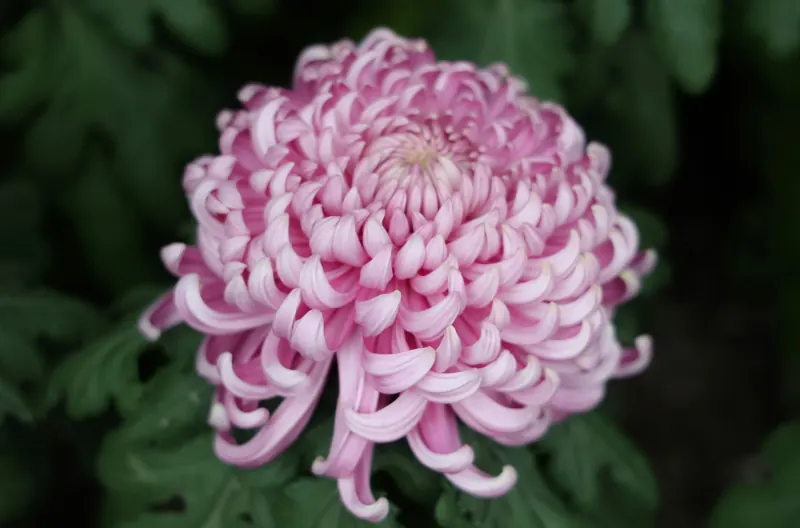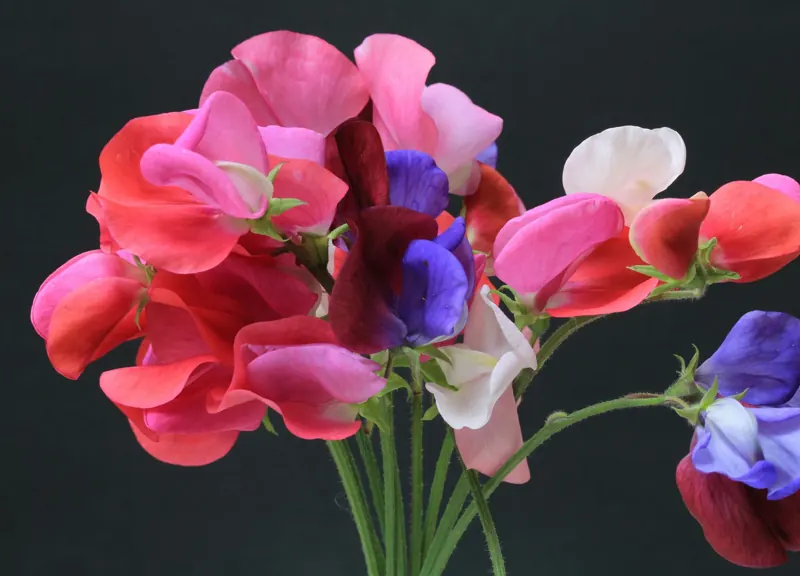
You do not need a large garden or years of experience to enter a flower show — only one good bloom, and a little care in getting it to the bench. This note walks through what to do in the days before Rang-e-Bahar or Taqreeb-e-Gul, so your first entry arrives looking its best.
01Read the schedule first
The schedule is the rulebook. For each class it tells you exactly what to bring: one bloom or a vase of three, a pot plant or a cut stem, size limits for arrangements, and whether the club provides the vase. Read it twice, and note your class numbers.
The most common reason a good exhibit goes unplaced is simple: it is not what the class asked for. Three stems in a class for five, or a bloom in the wrong section, cannot be judged.

02Choose the bloom
- Pick a bloom at, or just before, its peak — fresh, not fully blown.
- Look for clean, unblemished petals, healthy leaves and a straight, strong stem.
- It should be typical of its kind: a rose that looks like a good rose of that variety.
- For classes with several stems, choose blooms that match each other in size and form.
- Cut one or two spares. Something always gets bruised on the way.
03Cut and condition
Cut early in the morning or in the cool of the evening, with a sharp knife or secateurs, leaving a long stem. Put the stem straight into a bucket of water. Indoors, re-cut the end under water, strip the leaves that would sit below the waterline, and stand the flowers in deep, cool water somewhere dark for several hours or overnight. This "conditioning" lets them drink their fill before the show.
A well-conditioned bloom stands up straight on the bench all day. A thirsty one is drooping by noon.
04Get it there safely
Wrap each bloom loosely in soft paper and carry the stems upright in a bucket with a little water, wedged so they cannot knock together. Pack a small kit: scissors, cotton wool, a soft brush, a bottle of water, labels, and anything the schedule allows you to use.

05Staging on the day
Arrive early, within the staging time. Collect your entry card from the show secretary and find your class on the bench. Set your exhibit in its vase or pot, turn its best face towards the front, and gently dress the petals with a soft brush. Remove any damaged leaves, top up the water, and place your entry card as the stewards direct.
06What the judges look for
- Condition — fresh, clean and undamaged.
- Form — true to the type and variety.
- Size — good for its kind, without coarseness.
- Colour — clear and even.
- Stem and foliage — straight, strong, healthy leaves.
- Uniformity and staging — in multi-stem classes, a matched set, neatly presented.
07Afterwards
Whatever the result, read the judges' cards, look closely at the winning entries in your class, and talk to their growers. Most will happily tell you how they did it. Note what you learn for next year, and collect your exhibits at the stated time.